
AI Tablet Inspection for Pharmaceutical Defect Detection
Case Overview
Industry: Pharmaceuticals and Medical
Solution: SolVision
After tablets are made, they must be checked for problems with shape, size, color, texture, labels, and surface quality. A multinational pharmaceutical company used SolVision for AI tablet inspection and to reduce the need for long periods of manual checking.
The Case
Pharmaceutical Tablet Quality Inspection
Tablets must pass a visual inspection after production. This check confirms that each tablet meets set quality rules for shape, size, color, texture, surface condition, and labeling.
The inspection must also find damaged tablets, color loss, label errors, dirt, and foreign objects. Reliable tablet inspection helps stop defective products from moving to packaging or later production steps.
The Challenge
Detecting Tablet Defects That Vary
Tablet defects do not always look the same. They can vary in size, shape, color, location, and severity.
Traditional automated optical inspection systems often use fixed rules. These systems may struggle when a defect does not match a set pattern.
Workers may then need to inspect the tablets by hand. Long periods of manual inspection can cause fatigue and raise the risk of missed defects or incorrect decisions.
The Solution
AI Tablet Inspection with SolVision
SolVision uses image-based learning to find visual defects in pharmaceutical tablets. Manufacturers train the inspection model with images of acceptable tablets and tablets with known defects.
The automated visual inspection system checks shape, size, color, texture, surface condition, and labels. When a new defect is found, manufacturers can add more images and update the inspection model.
Tablet Defect Detection
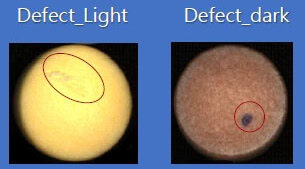 | 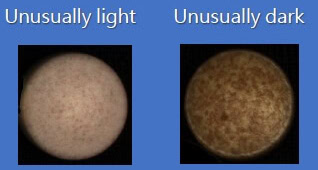 | 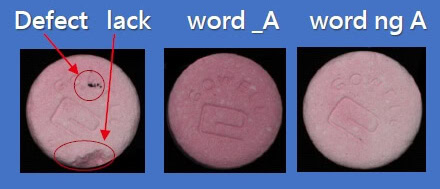 |
The application detects shape problems, size variation, color fading, surface defects, label errors, dirt, and foreign objects. Tablets that do not meet the inspection rules can then be separated from acceptable products.